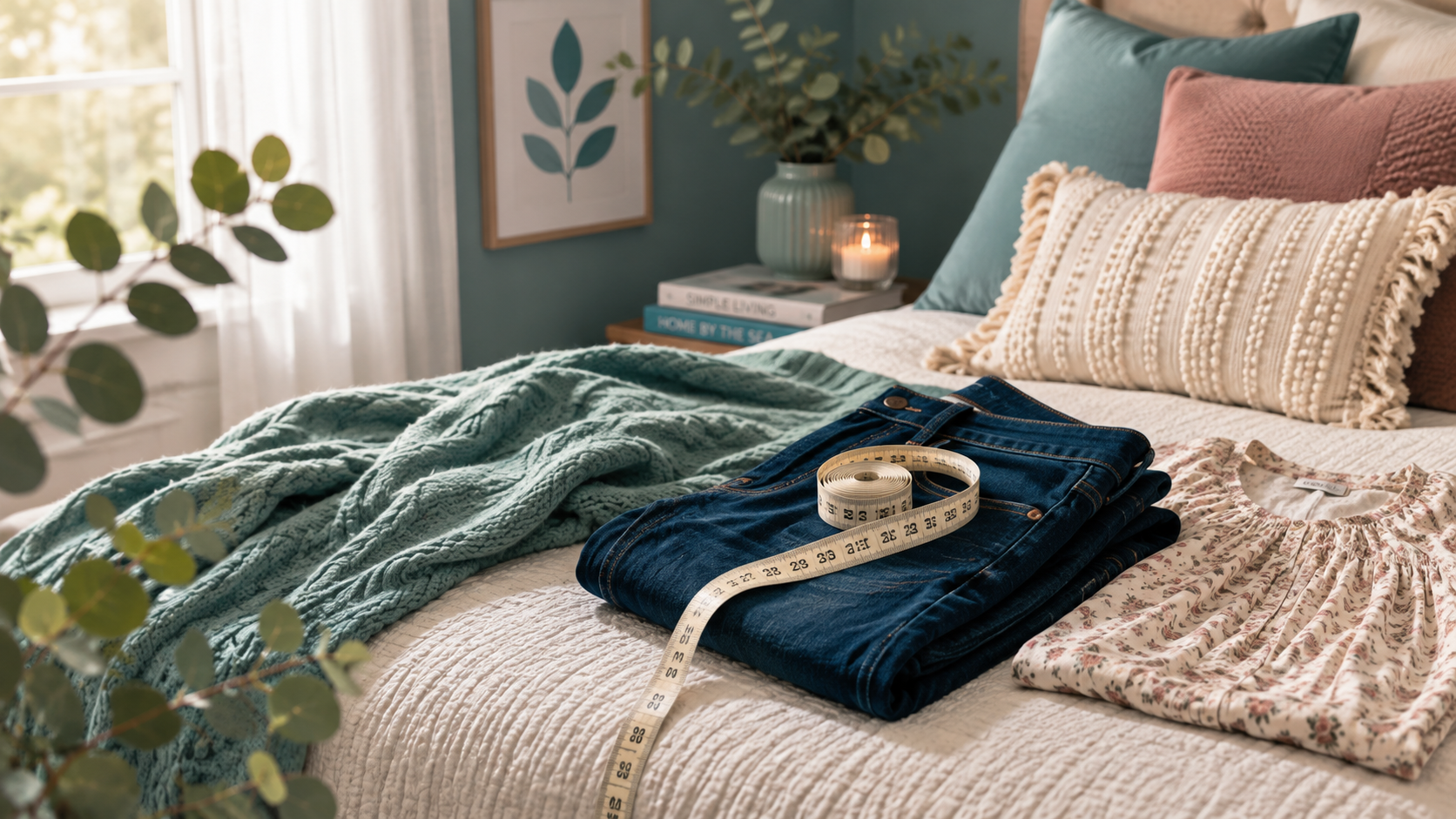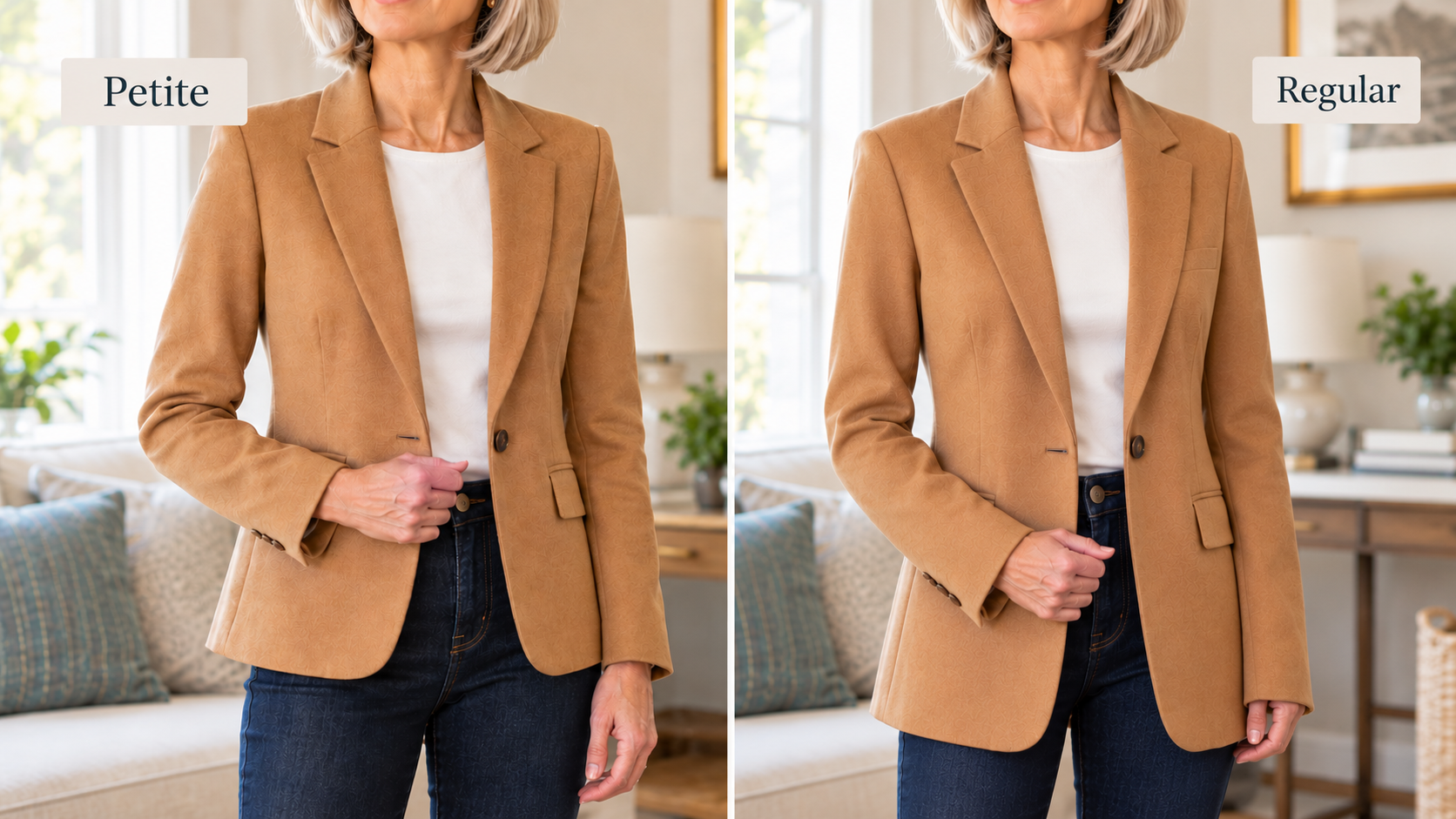

Most petite women over 40 have owned a piece that was the right size on paper and still looked slightly wrong in the mirror. The sleeves hung past the wrist, the waist sat in the wrong place, or the whole outfit seemed to be wearing you. Usually the size was correct, but one or two measurements were off by an inch or less.
Those small errors add up on a shorter frame, because there is less fabric length to absorb them. A half inch of extra hem that disappears on a 5’8″ woman changes the whole proportion on a 5’1″ woman. Below are seven common petite fashion mistakes women over 40 make, what each one looks like, and a measurement you can check to fix it.

Why clothes that “should” fit still look off on a petite frame
Standard sizes are built around a taller body. Even when a brand makes a petite line, that line mostly shortens sleeves and inseams. It rarely adjusts shoulder width, torso length, or where details like pockets and darts land.
So the garment fits in one place and misses in three others. Your eye reads the mismatch as “off” before you can say which part is wrong. Each mistake below pins down one of those parts.
Mistake 1: Trusting the word “petite” instead of the measurements
“Petite” isn’t a standard size, and every brand defines it a little differently. One brand’s petite pant may have a 27-inch inseam and another’s may have 29. Shopping by label alone means you only find out the real numbers when the package arrives. For exact steps and an illustration of how to measure clothes you already own, see the Petite Sizing Guide.
The fix: Ignore the label until you have read the garment measurements. Retailers that list them usually put them in a size chart or in the product details. Compare those numbers to a piece you already own and like, not to the size on the tag.
Measurement to check: Lay your best-fitting pair of pants and your best-fitting top flat, measure them, and keep those numbers as your reference. If a listing gives no measurements at all, that is a reason to skip it. Searching for petite often returns items that are not petite, so the numbers are the only reliable filter.
For a closer look at what the label really means, see What Is Petite Sizing?
Mistake 2: Hems, sleeves and inseams that are too long
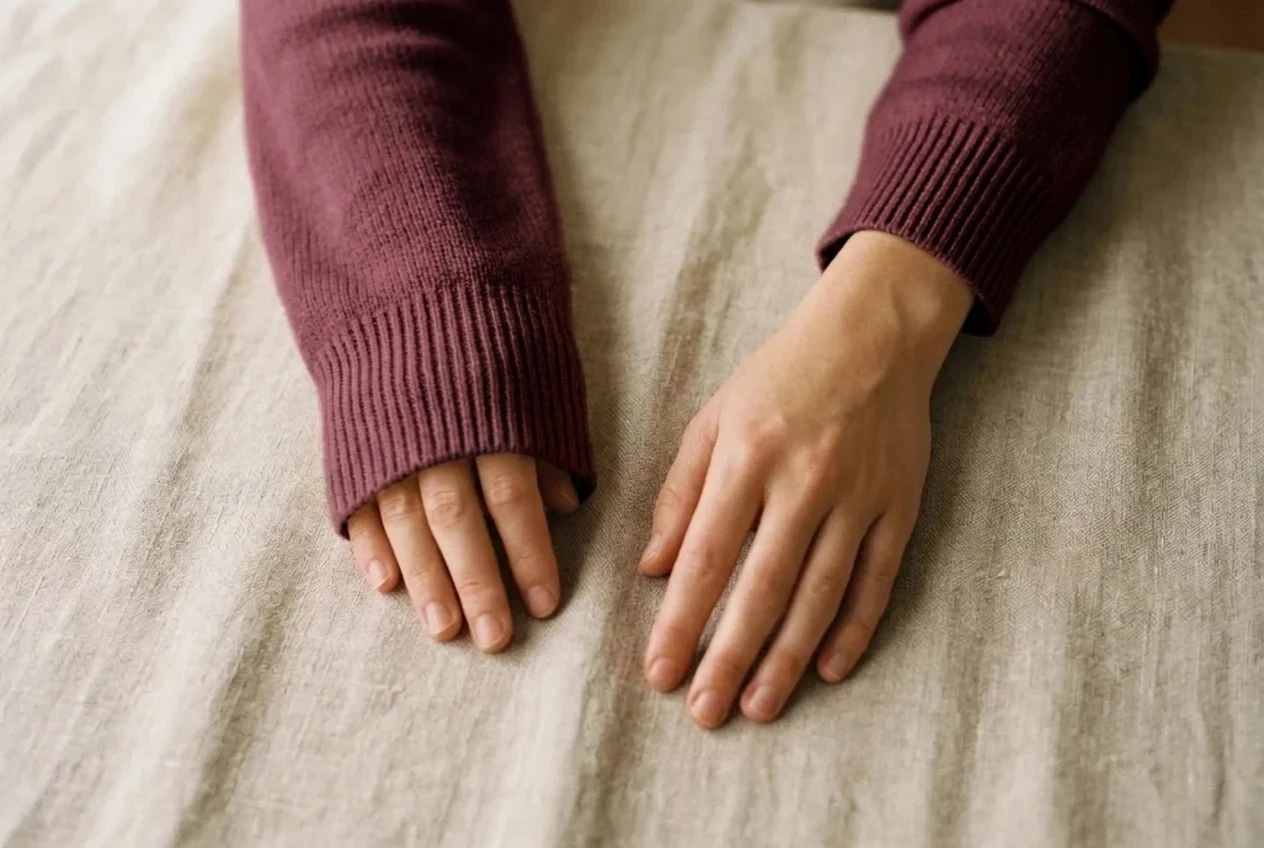
Slightly long is the most common petite problem, and it is easy to live with because it does not feel dramatic. But a hem that pools or bunches at the ankle makes legs look shorter, and a sleeve that covers the wrist bone makes the arms look swallowed.
The fix: Aim for pants that end at or just above the ankle bone, or that skim the top of your shoe if you prefer a full-length look. For tops, the sleeve should end at the wrist bone, or at a deliberate three-quarter length. A tailor can shorten most hems cheaply, so a good piece that is half an inch too long is still worth buying.
Measurements to check:
Inseam, measured from the crotch seam down to where you want the hem to land, while wearing the shoes you will actually pair with the pants. Our pants roundup lists inseams for each pair, which saves you doing this math on every listing.
Sleeve length: Where sleeve length is measured from depends on the brand. Some measure from the shoulder seam, others from the center back of the neck. Check the brand’s size chart to see where their measurement starts, then measure yourself the same way, from that point down to your wrist bone with your arm relaxed at your side.
Mistake 3: Ignoring rise, even when the listing doesn’t show it
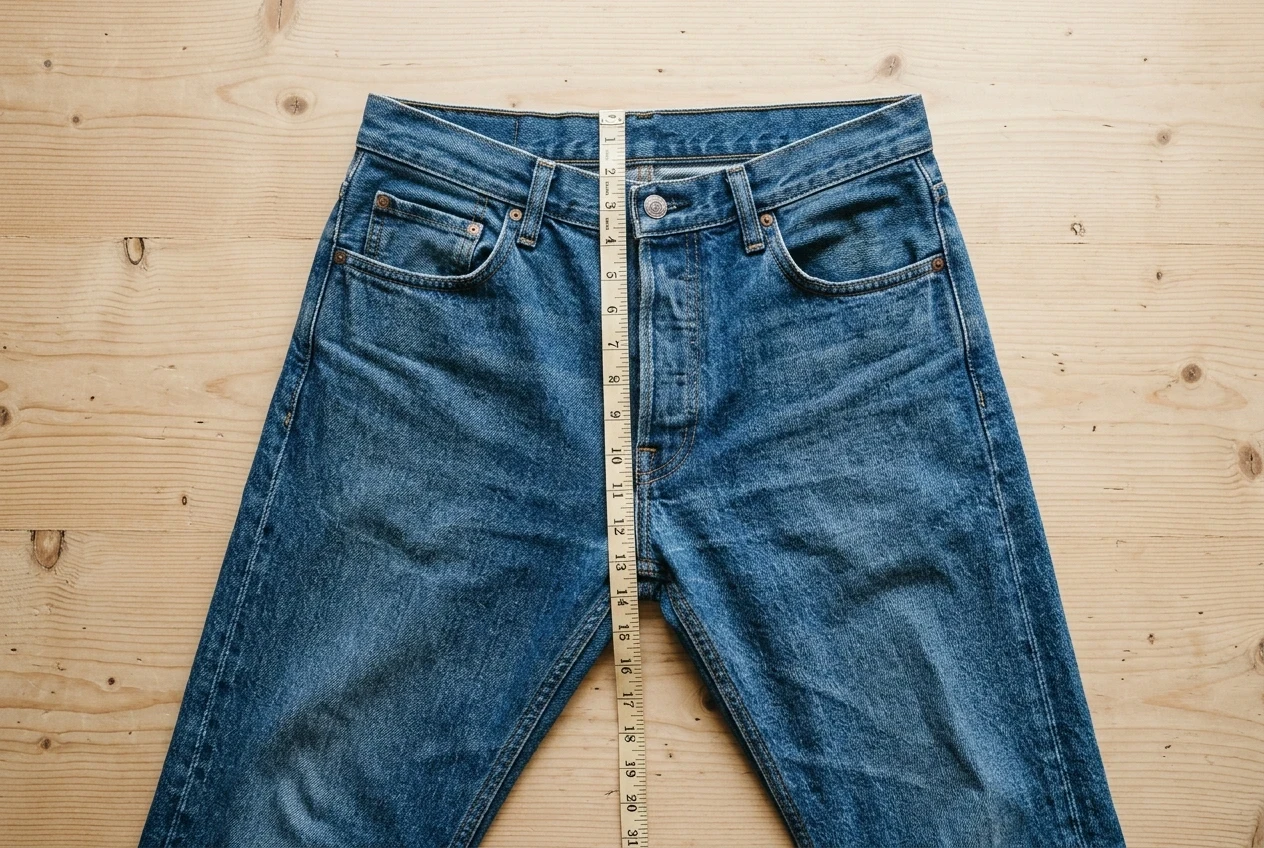
Rise is the distance from the crotch seam to the top of the waistband, and it matters more on petites than almost anything else. A rise that is too long pulls the waistband up toward your ribs and creates folds at the front. A rise that is too short sits below your waist and shortens the look of your legs, which is often what makes a body feel “boxy” in jeans.
The fix: Look for a rise that puts the waistband at your natural waist, the narrowest part of your torso. Many petites find a mid rise works well because the numbers are more forgiving, but your own measurement decides, not the name. A “high rise” from one brand can be several inches different from another’s. Our petite jeans for fall roundup is a good place to start trying different rises.
Measurement to check: Measure the rise on a pair of pants that already sits well on you, laid flat, from the crotch seam up to the top of the waistband. Most retailers don’t list rise on the product page, so you may need to go looking for it. When the number isn’t shown, check the size chart or product details, or ask customer service before you order.
Mistake 4: Hiding in oversized layers that swallow your frame
It is tempting to wear big sweaters and long cardigans over everything because they feel safe. On a smaller frame, volume everywhere removes the shape of your body, and the outfit reads as one large block of fabric with a head on top.
The fix: If one piece is roomy, make the others fitted. A relaxed sweater works with slim pants. A long cardigan works over a close-fitting top and straight or tapered leg. For sweaters cut to petite proportions, see our petite sweaters for fall roundup. Keep one area where your shape shows, such as the waist, the neckline, or the ankle.
Measurement to check: The length of any layer you wear over pants. A tunic or cardigan that ends at mid thigh usually looks balanced. Anything that ends at the knee on a petite frame cuts the leg in half visually.
Mistake 5: Prints, buttons and details that are out of scale
Scale is the least discussed petite problem. A big floral, wide stripe, or oversized buckle is designed for a longer body, and on a shorter one the pattern can overwhelm you. Pockets set too low, buttons spaced too far apart, and wide belts all have the same effect.
The fix: Choose prints with a smaller repeat, and look at where details sit rather than only at the pattern. Pockets should land near your hip bone, not mid thigh. A narrower belt usually suits a shorter waist better than a wide one.
Measurement to check: Hold the garment up against you in the mirror and check where the pocket, the top button, and the waistline fall. If you are shopping online, look at the product photo for any model whose height is listed, and compare it to your own.
Mistake 6: Ignoring the shoulder seam and sleeve length on tops and jackets
The shoulder seam should sit on the edge of your shoulder bone. When it hangs down your upper arm, the whole top looks too big, whatever the size tag says. Jackets show this most, because structured shoulders hold their shape and cannot hide a bad fit.
The fix: Check shoulder width before bust size. A tailor can shorten sleeves, but moving a shoulder seam is expensive and rarely worth it, so get the shoulder right at purchase. For blazers, check that the sleeve ends at the wrist bone and the jacket hem sits at or just below the hip. The petite jackets and blazers roundup includes options that are sized for petites, so the shoulders and sleeves are cut for a shorter frame.
Measurement to check: Shoulder width, measured across your back from one shoulder bone to the other, and sleeve length from the shoulder bone to the wrist.
Mistake 7: Buying for the body you had ten years ago
Bodies change after 40. Weight may sit differently, posture changes, and your waist may be in a slightly different place than it used to be. Clothes that fit you well a decade ago may no longer be the right cut, and buying the same size and style out of habit can leave you chasing a fit that no longer exists.
The fix: Measure again and treat the numbers as new information. If your waist or hips have changed, choose cuts that suit the body you have now, and do not fight the tag. A different size is only a number, and the garment measurements are what decide how it fits. The Petite Sizing Guide walks you through taking fresh measurements step by step.
Measurement to check: Waist and hip, measured fresh. Do it every year or so, since your old numbers may no longer apply.
The five measurements to write down before your next order
Keep these in a note on your phone so you can compare them to any product page in a minute or two:
- Shoulder width: shoulder bone to shoulder bone across the back.
- Sleeve length: shoulder bone to wrist bone.
- Torso length: base of the neck to your natural waist, which shows how long a top or jacket will sit on you.
- Rise: copied from a pair of pants that already fits well, crotch seam to top of waistband.
- Inseam: crotch seam to your ideal hem, measured with the shoes you will wear.
Add waist and hip if you shop for dresses or fitted pieces. When a listing shows garment measurements, compare each number to yours and check that the one that matters most for that piece, such as shoulder width for a blazer or rise for jeans, is within about half an inch.
The Bottom Line
Most fit problems on a petite frame come down to one or two measurements, not the size on the tag. Start with the one that bothers you most, whether it’s a hem that pools, a waistband that sits too high, or a shoulder seam that slips down your arm. Fix that, and the rest of the outfit usually falls into place.
Which of these mistakes have you made? Share your biggest petite fit struggle in the comments, and it may become a future article.